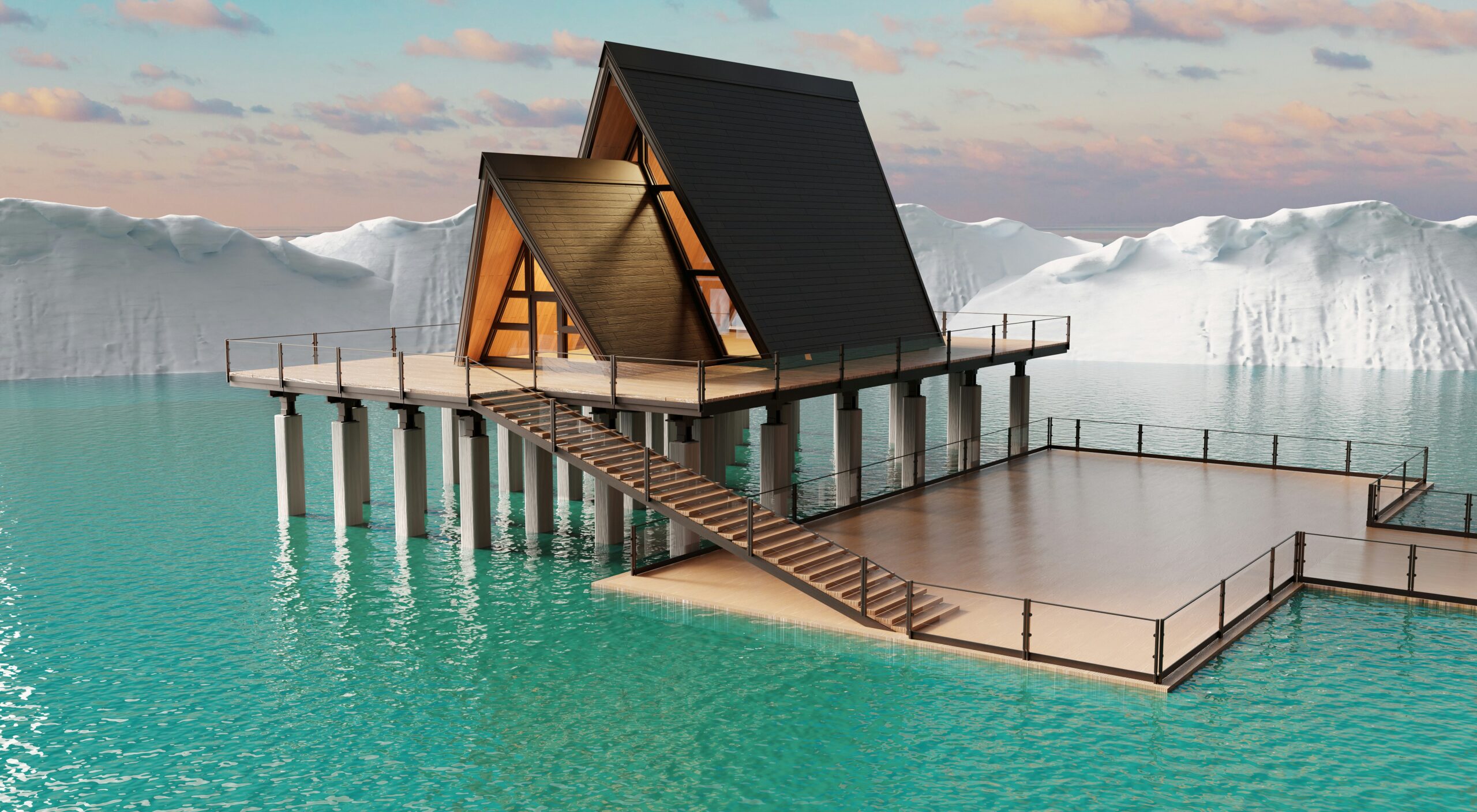
Resort travelers today want more than a room and a view. They want an experience that feels personal, thoughtful, and worth remembering. This shift has made package design one of the most powerful tools resorts can use to stand out. When done well, a resort package tells a story, creates emotion, and guides guests through a seamless journey from booking to checkout.
Moreover, effective package design helps resorts move beyond price competition. Instead of selling nights, resorts sell moments, feelings, and memories. As a result, thoughtful packages not only attract guests but also encourage longer stays, repeat visits, and positive reviews.
Understanding What Modern Resort Guests Really Want
Before designing any resort package, it is essential to understand guest expectations. Today’s travelers value experiences that feel curated rather than generic. They want options that align with their lifestyle, interests, and travel goals. Therefore, resorts must start by listening closely to their audience.
At the same time, guests want simplicity. While they enjoy rich experiences, they prefer packages that are easy to understand and book. Because of this, successful resort packages balance depth with clarity, offering value without overwhelming guests with choices.
Building a Clear Theme for the Resort Experience
A strong package begins with a clear and engaging theme. Instead of bundling unrelated services, a theme connects each element into a cohesive experience. For example, a wellness-focused package might center on relaxation, renewal, and balance from start to finish.
Additionally, themes help guests imagine themselves at the resort before they arrive. When travelers can picture the experience, they feel more confident about booking. As a result, themed packages often convert better and leave stronger first impressions.
Blending Comfort With Destination Authenticity
Comfort remains a top priority for resort guests. However, comfort alone does not create a memorable experience. To elevate a package, resorts must blend familiar comforts with authentic local elements that reflect the destination.
For instance, incorporating local cuisine, cultural activities, or natural surroundings helps guests feel connected to the place they are visiting. Consequently, the experience feels richer and more meaningful. This balance between comfort and authenticity often defines the most successful resort packages.
Designing Emotional Touchpoints Throughout the Stay
Great package design considers how guests feel at every stage of their journey. From arrival to departure, each moment offers an opportunity to create emotional impact. Small details, such as a personalized welcome or a thoughtfully timed experience, can leave a lasting impression.
Furthermore, emotional touchpoints should feel natural rather than forced. When experiences align smoothly with the package theme, guests feel genuinely cared for. As a result, emotional consistency builds trust and enhances overall satisfaction.
Creating Value Without Relying on Discounts
Many resorts assume that value means lower prices. However, guests often define value by what they receive rather than what they save. A well-designed package feels valuable because it saves time, reduces planning stress, and delivers experiences that feel special.
In addition, perceived value increases when packages feel exclusive or limited. When guests believe an experience was curated specifically for them, satisfaction rises. Therefore, resorts can enhance value through thoughtful design rather than heavy discounting.
Encouraging Guest Participation and Engagement
Memorable resort experiences invite guests to participate rather than observe. When guests actively engage in activities, they form stronger emotional connections. For this reason, package design should encourage involvement in ways that feel comfortable and enjoyable.
Participation also supports storytelling. Guests love sharing experiences they helped shape, whether through activities, shared moments, or personal achievements. As a result, interactive packages often drive organic word-of-mouth and social sharing.
Adapting Resort Packages to Seasons and Occasions
Seasonality plays a major role in resort travel. Guest needs and expectations change throughout the year, so packages should evolve accordingly. A package that works well in summer may not appeal during quieter months.
Additionally, occasion-based packages connect deeply with guest emotions. Celebrations such as anniversaries, honeymoons, or family milestones often drive travel decisions. When resorts design packages around these moments, they tap into powerful motivations that encourage booking and loyalty.
Simplifying the Booking and Pre-Arrival Experience
Even the best package can lose appeal if the booking process feels complicated. Clear descriptions, straightforward pricing, and intuitive booking systems all support a positive first impression. Therefore, simplicity should guide how packages are presented online.
Before arrival, communication continues shaping the experience. Helpful pre-arrival messages that explain what to expect reduce uncertainty and build excitement. As a result, guests arrive feeling prepared and eager rather than confused or overwhelmed.
Delivering Consistency From Arrival to Departure
Consistency transforms a good package into a great one. Each part of the experience should reinforce the promise made at the time of booking. When reality matches expectations, guests feel satisfied and confident in their choice.
Moreover, consistency builds trust in the brand. Guests who experience reliable quality are more likely to return and recommend the resort. Therefore, operational alignment plays a critical role in successful package design.
Using Feedback to Refine and Improve Package Design
Resort package design should never remain static. Guest feedback provides valuable insight into what works and what needs improvement. By paying attention to reviews, surveys, and direct comments, resorts can refine packages over time.
In addition, continuous improvement keeps offerings fresh and competitive. As guest preferences evolve, adaptable resorts stay relevant. Consequently, ongoing refinement helps maintain strong performance and guest loyalty.
Turning Resort Packages Into Long-Term Brand Assets
Well-designed resort packages do more than fill rooms. Over time, they become part of the resort’s identity. Guests begin to associate certain experiences with the brand, strengthening recognition and trust.
Ultimately, the art of package design lies in empathy, clarity, and intention. By understanding guest motivations and curating experiences with care, resorts create offerings that feel effortless yet memorable. When packages tell a story and deliver on their promise, guests do not just visit, they return.